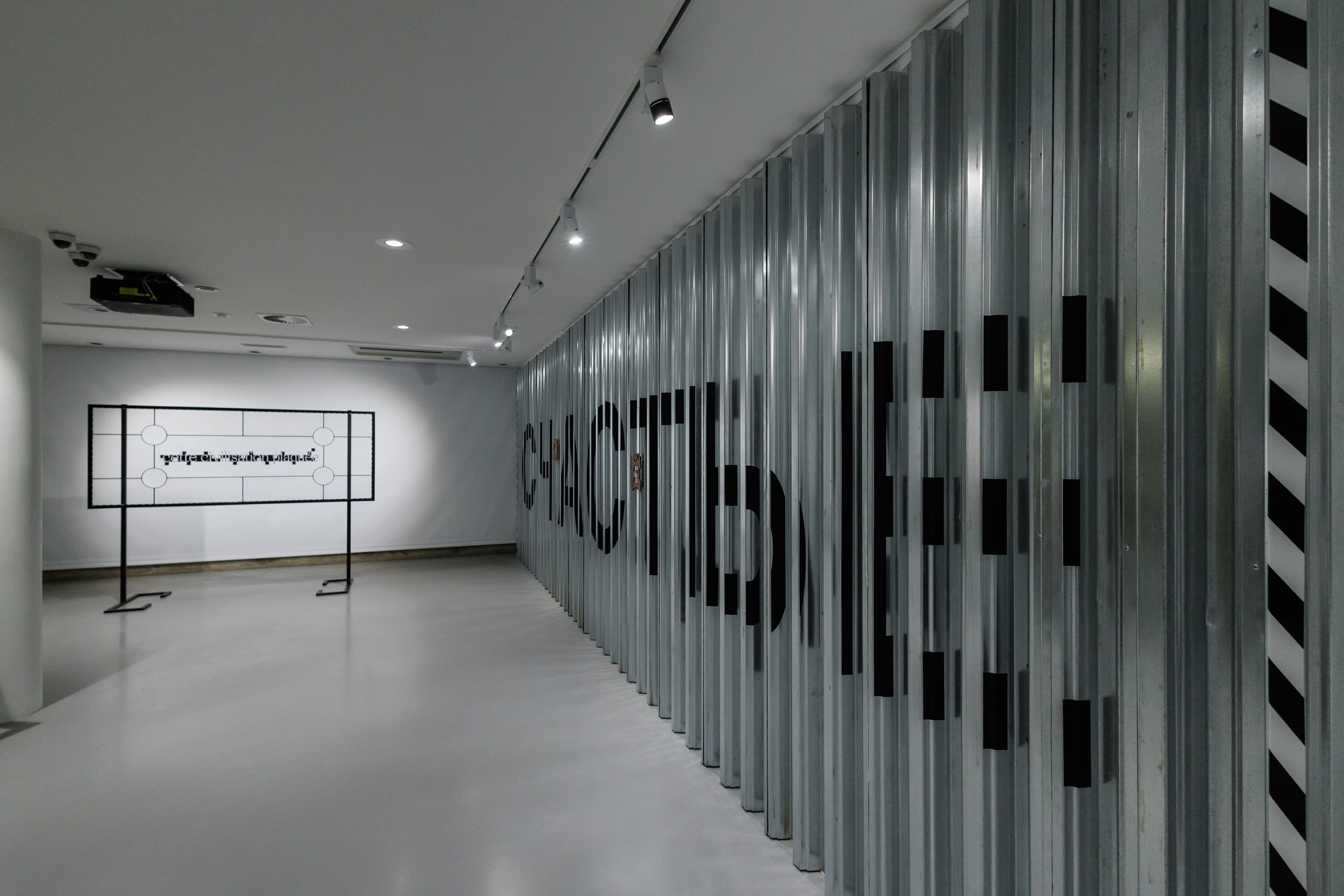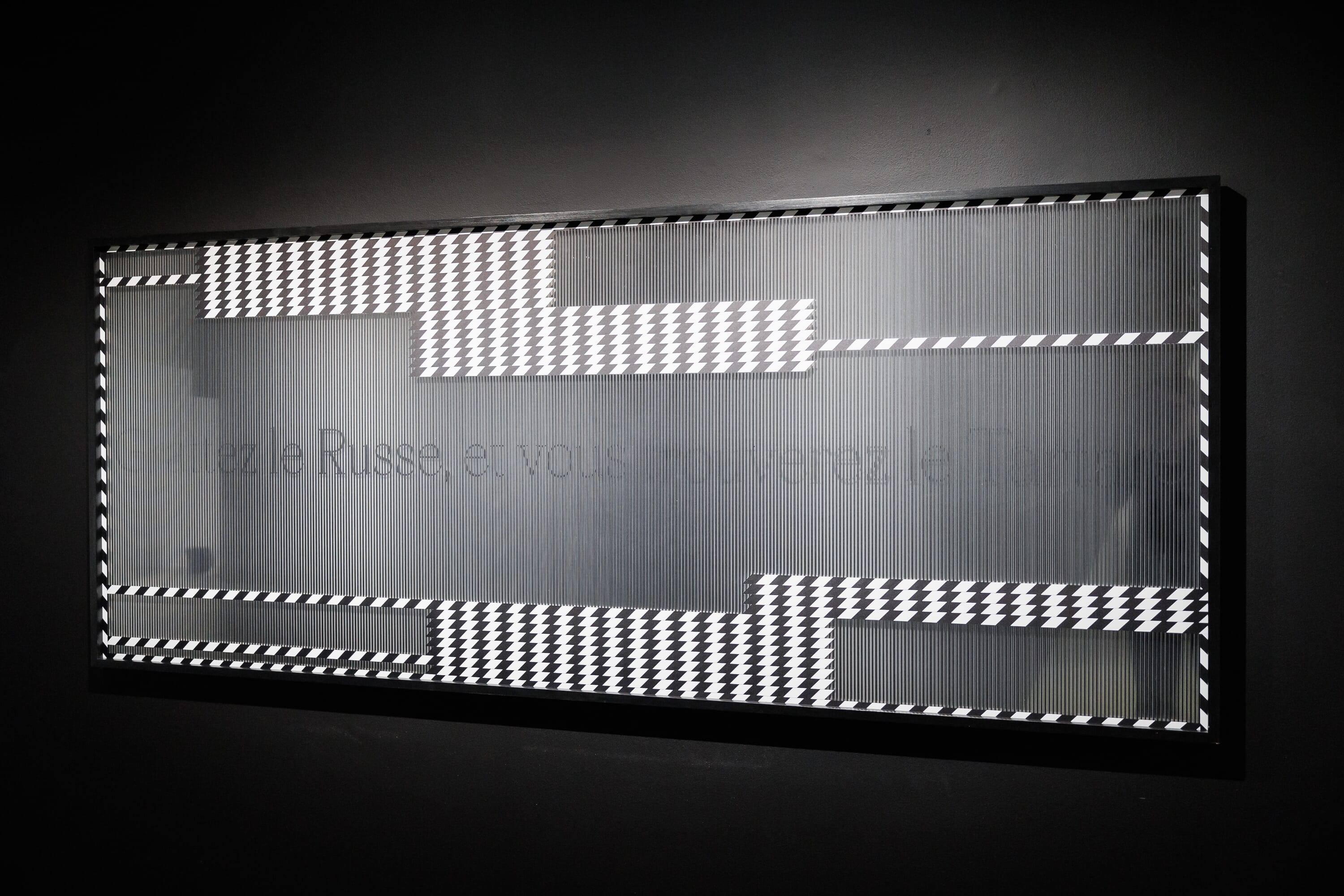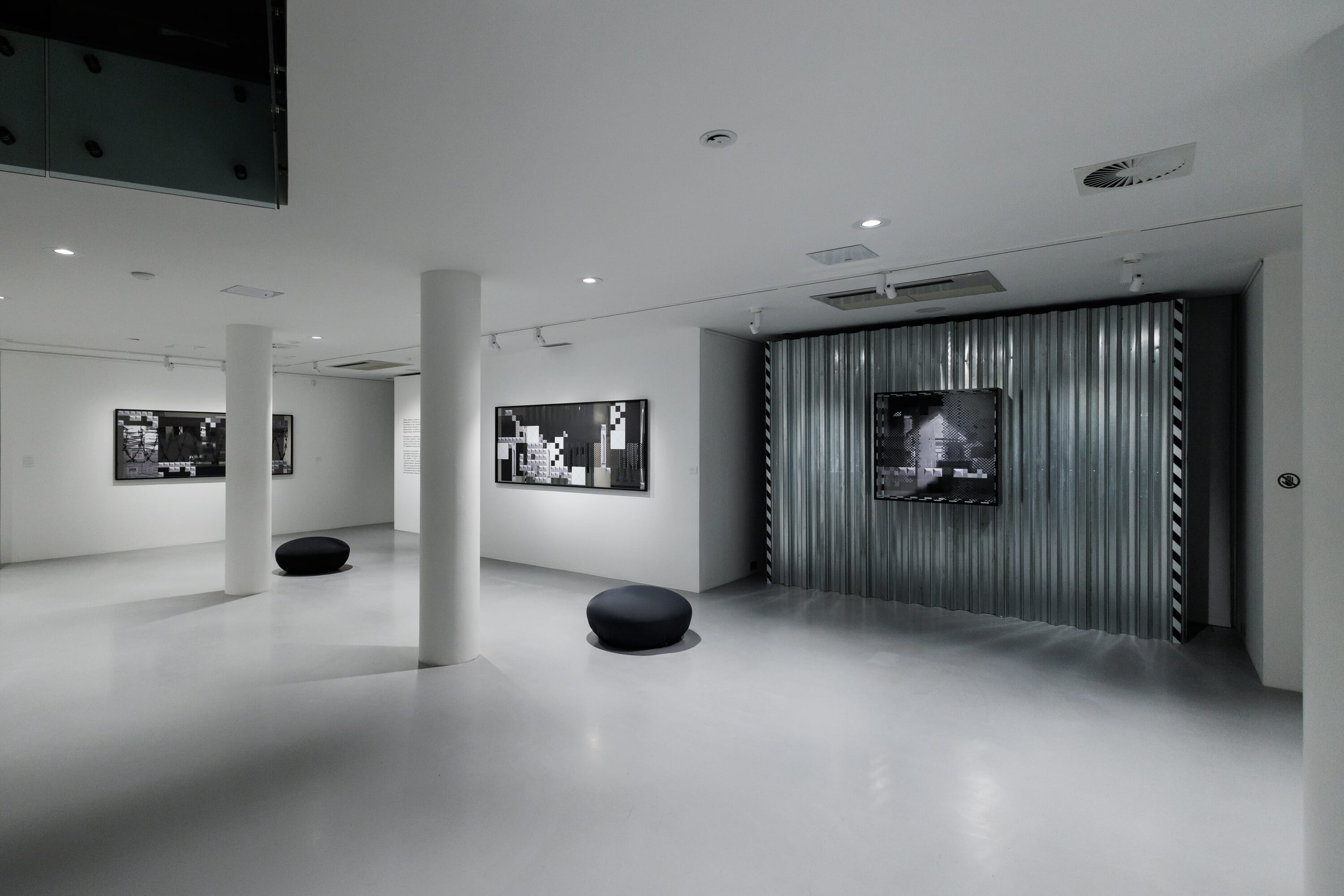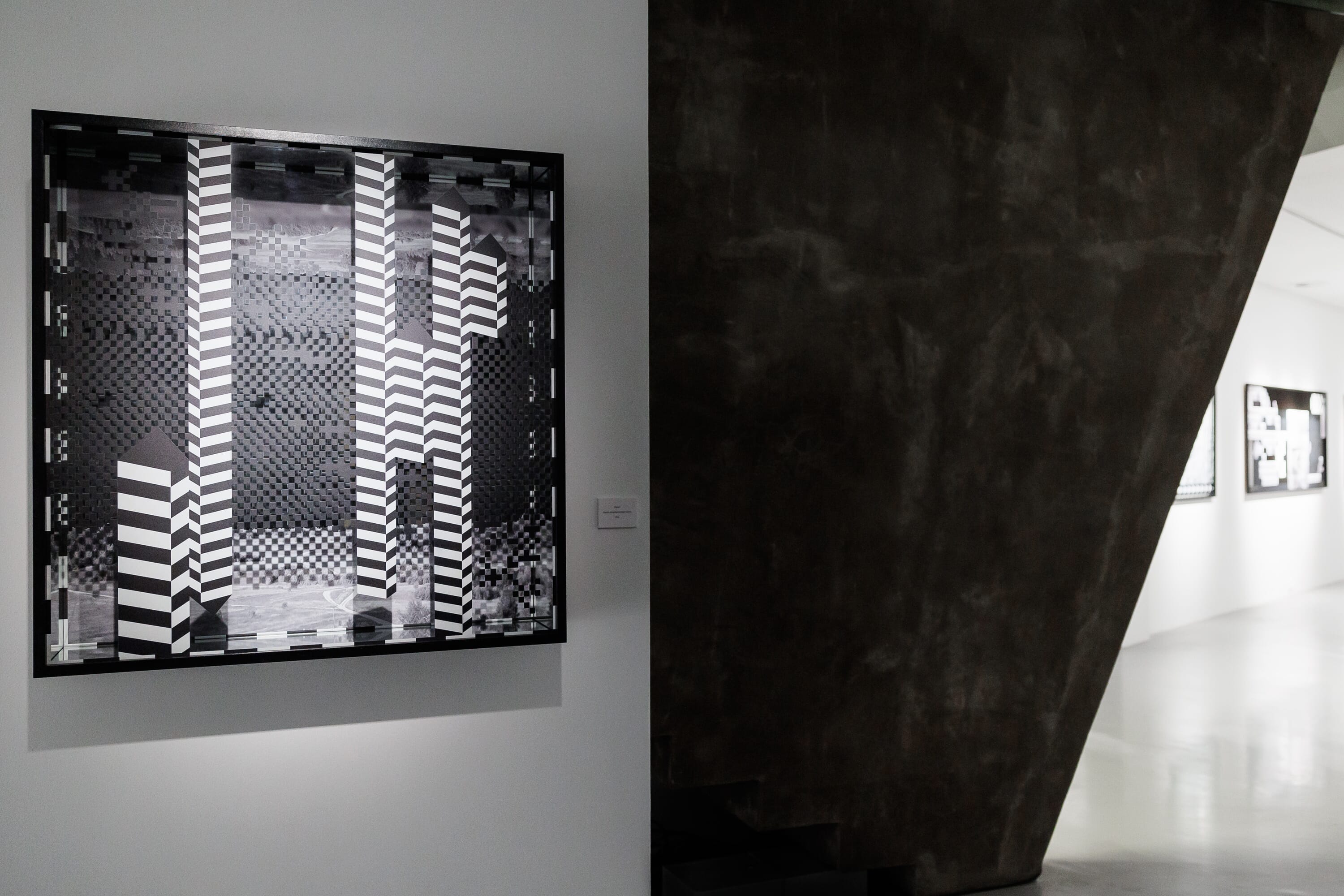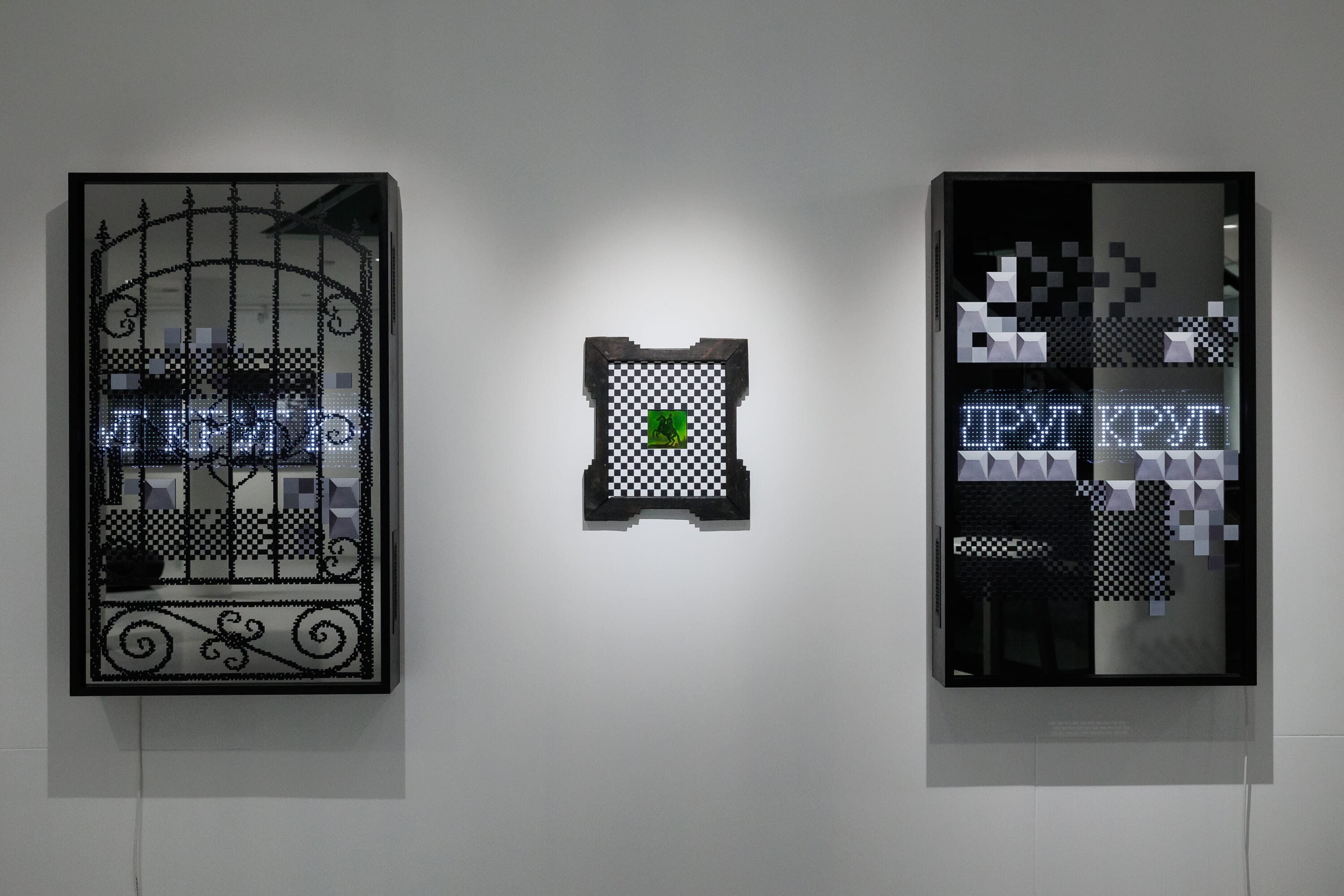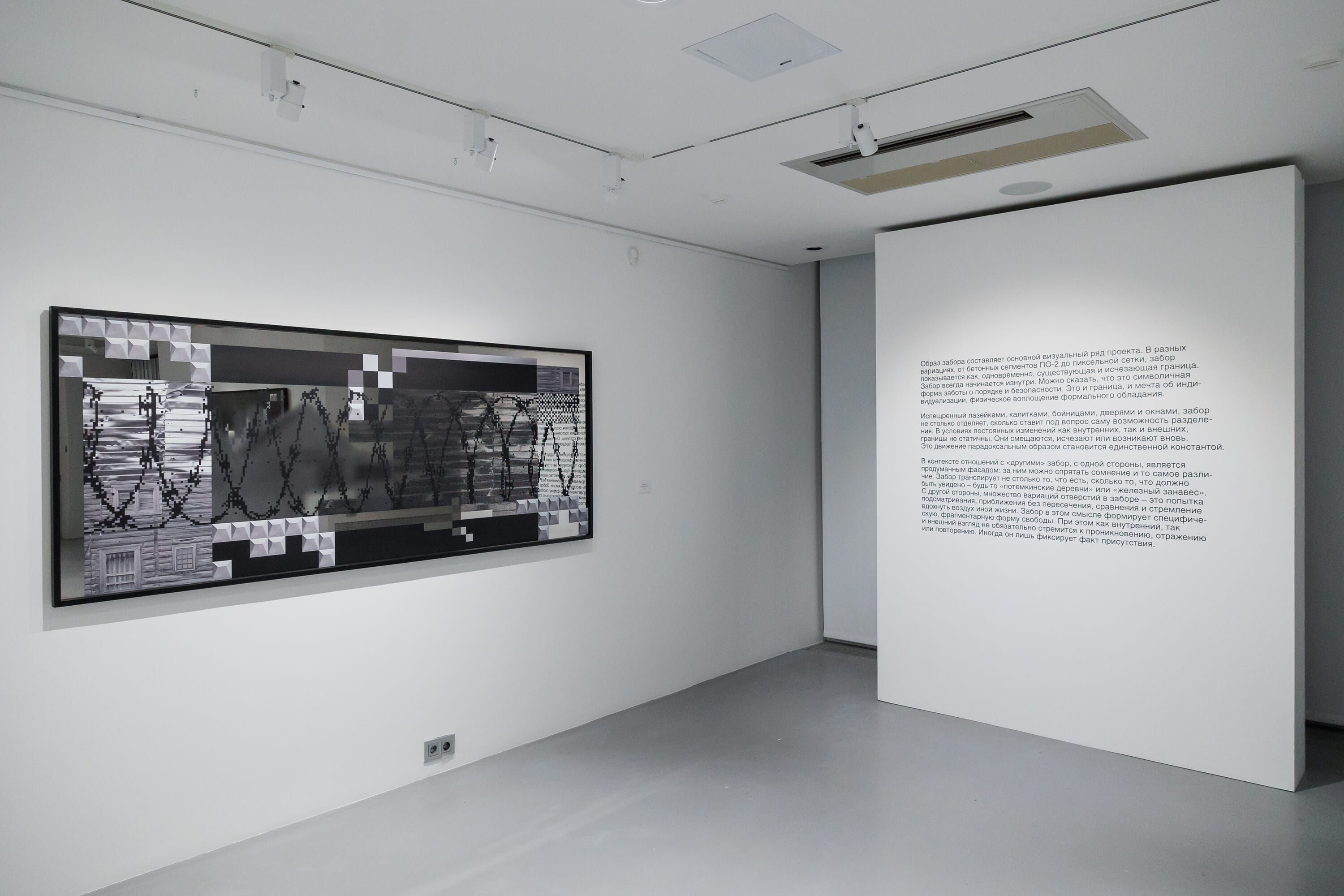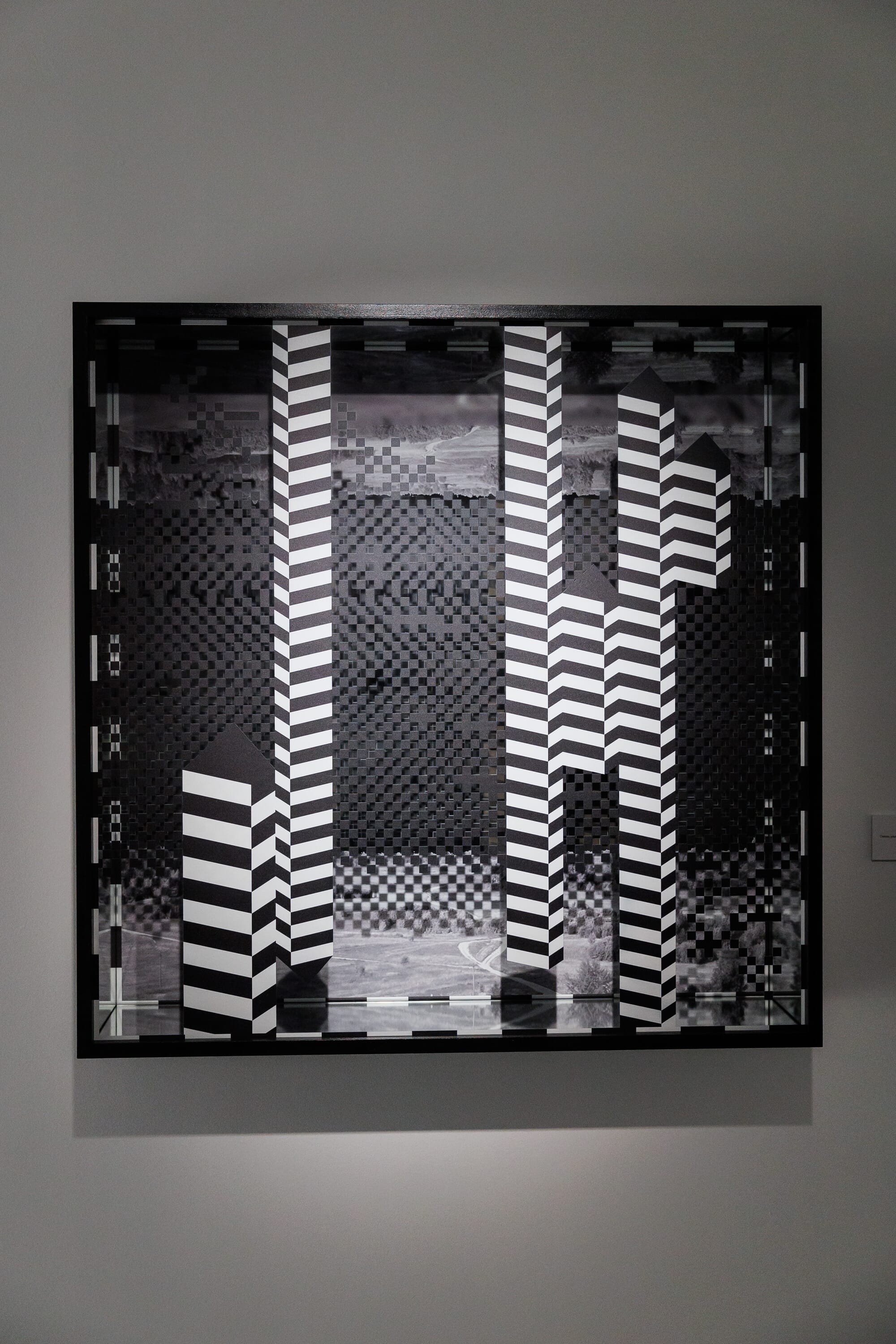
Ruarts Gallery presents the second solo exhibition by Moscow artist Katerina Seryoznaya, whose works explore themes of memory and nostalgia. The project ‘OTHER OTHERS’ is an observation of how the collective self is formed when it is inevitably reflected in ‘others’, and also a confirmation that cultural identity is not a stable structure, but a fluid, repeatedly reassembled process.
The duality of the Russian mentality, situated between East and West, manifests itself in a constant comparison of oneself with others. People rarely look at themselves directly; more often, this occurs through the prism of everyday comparisons, clichés, historical texts, and other people’s descriptions, which over time become part of their self-awareness. Constantly changing, this perception triggers a reconsideration of what constitutes the collective Russian ‘self’.
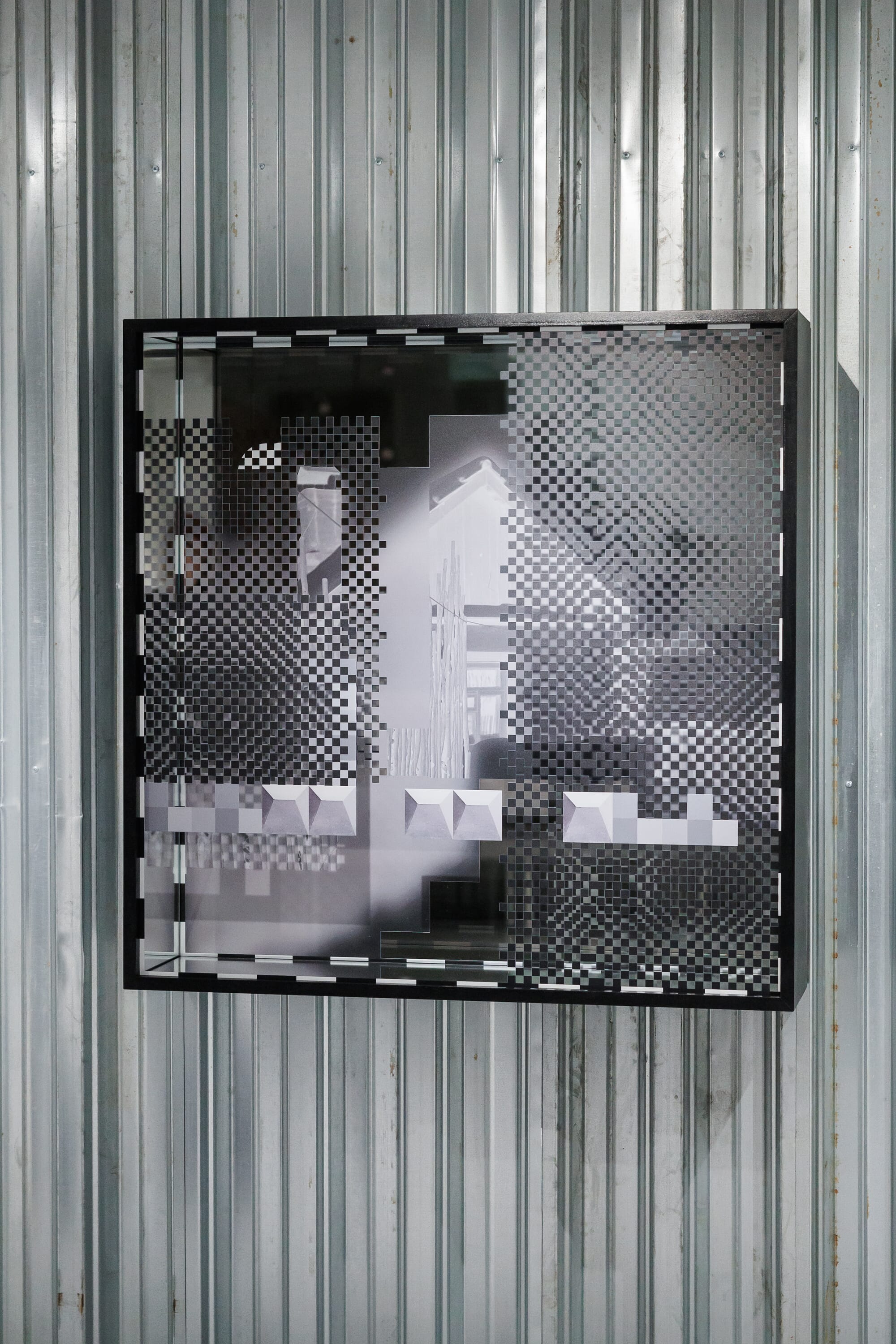
What often goes unnoticed is that both the ‘East’ and the ‘West’, as conceived in the Russian consciousness, are largely imaginary constructs. The ideals and shortcomings ascribed to them are as fantastical as the stereotypes with which they imbue each other. In this sense, Russia is neither a bridge nor a barrier, but a space in which the ‘East’ and the ‘West’ continue to converse, argue, and reflect upon each other, creating a reversal of themselves as the ‘other others’. In the exhibition this concept is embodied in multiple mirror effects.
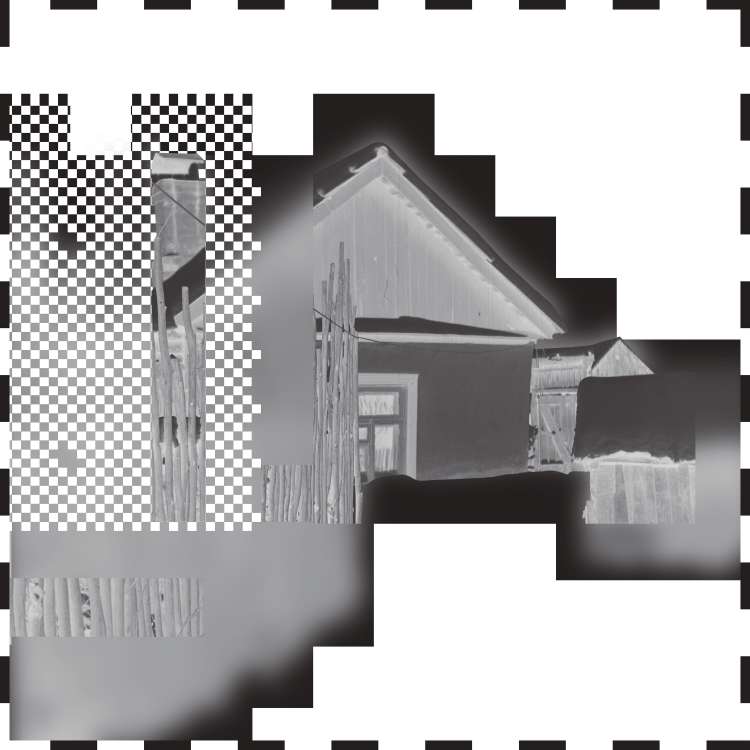
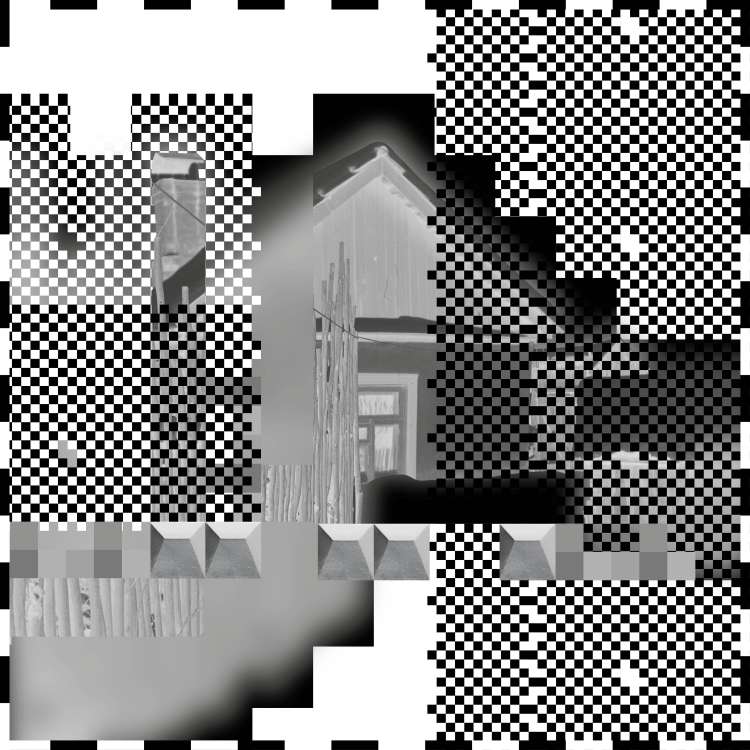
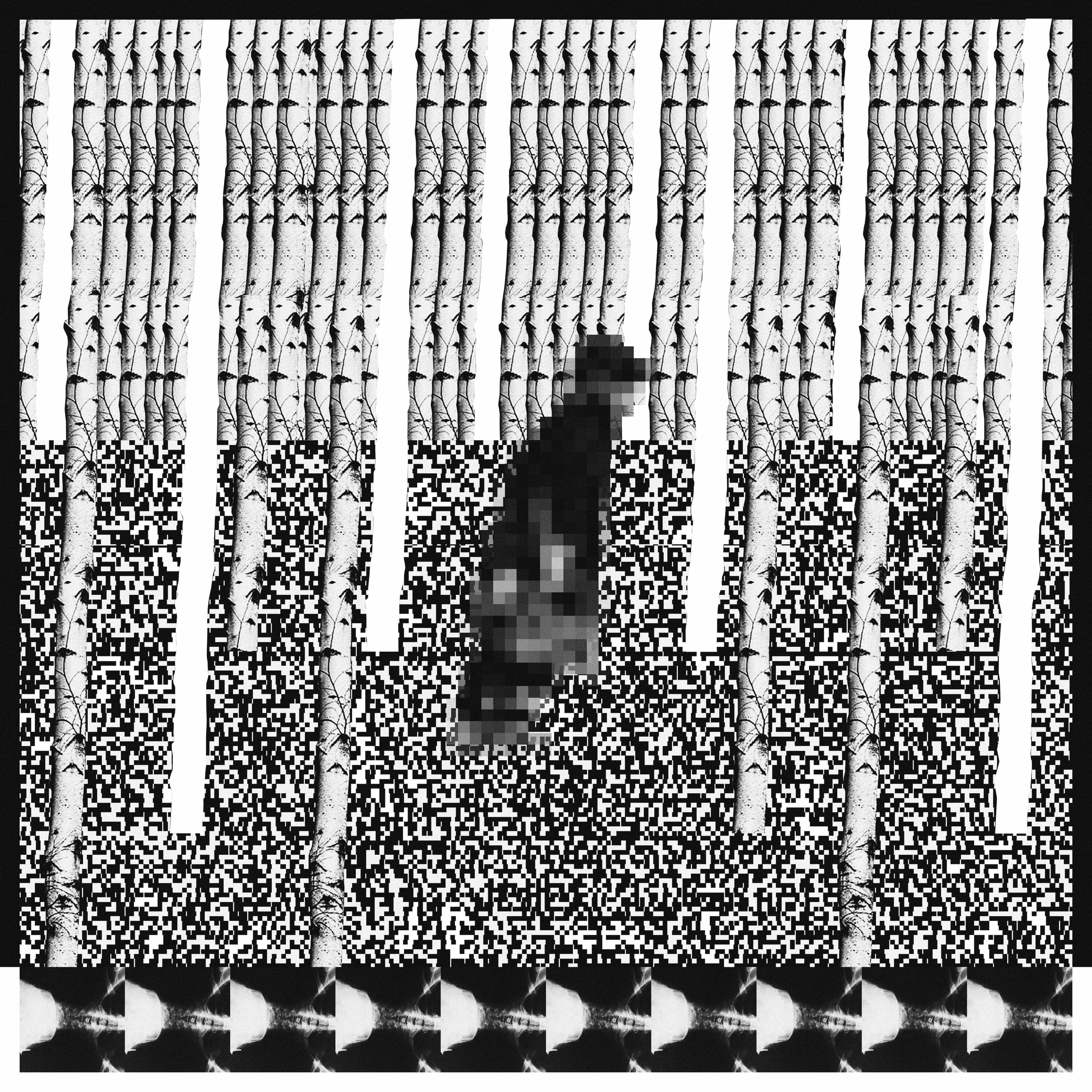
The second main image of the exhibition is the fence, in various variations, from the concrete segments of the PO-2 to a pixelated grid. In the context of relations with ‘others’, the fence, on the one hand, is a deliberate façade. Behind it one can hide doubt and that very difference. On the other, riddled with loopholes, gates, doors, and windows, the fence is an attempt at voyeurism, an approach without crossing. At the same time, both the inner and outer gazes do not necessarily seek penetration, reflection, or repetition; sometimes they merely record the fact of presence. In this way the fence does not so much separate as call into question the very possibility of separation.
Recognising this forces us to consider what ideas about the world, what clichés, we inherit, which we reproduce out of inertia, and which we can question. Perhaps cultural identity is not a dividing line, but a process of constantly looking through, between, and over a fence.
______________________
Katerina Seryoznaya was born in 1996 in Moscow. She is a graduate of the Stroganov Moscow State Academy of Art and Design (Department of Artistic Glass), the National Research University Higher School of Economics (Programme ‘Applied Cultural Studies’), and the Free Workshops School of Contemporary Art. She has participated in group exhibition projects and created a solo project, ‘Russian’, for the Ruarts Foundation. In her work she explores themes of nostalgia and memory. Using a specific set of cultural clichés, the author identifies the laws and attributes of national identity. Katerina works with graphics, found objects, and optical illusions. The combination of glitch effects and real objects that hold a story creates a simultaneously tactile and visually oriented language in her works.
Works